Bird watching, made easy
The lake is small enough to scan in a few minutes and the paths run close to the water, so you do not need a long lens or years of practice to start identifying birds.
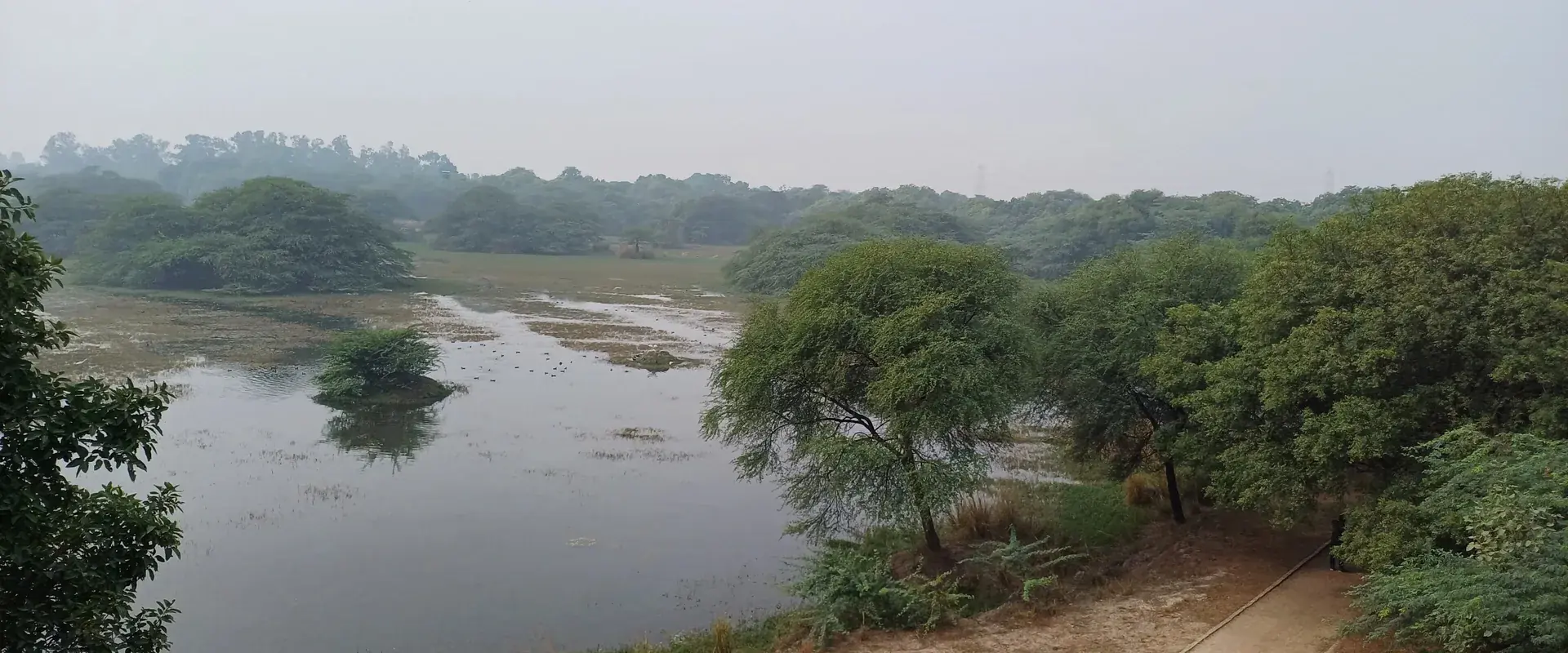
Gurugram, Haryana · Ramsar wetland · Day outing
A shallow freshwater lake, quiet walking paths and a sky full of winter visitors — Sultanpur Bird Sanctuary is the closest real wetland escape for anyone driving out of Gurugram or Manesar. It suits bird watchers, photographers, and families who would rather spend a morning listening than queuing.
Sultanpur Bird Sanctuary is the wetland in Gurugram district, Haryana, that was protected as a bird sanctuary in 1972 and upgraded to Sultanpur National Park in 1991. At its centre is a shallow, rain-fed lake roughly 1.43 sq km in extent, ringed by acacia, ber and neem trees, low mounds and reed beds — the kind of half-wild, half-managed landscape that waterbirds find easy to use.
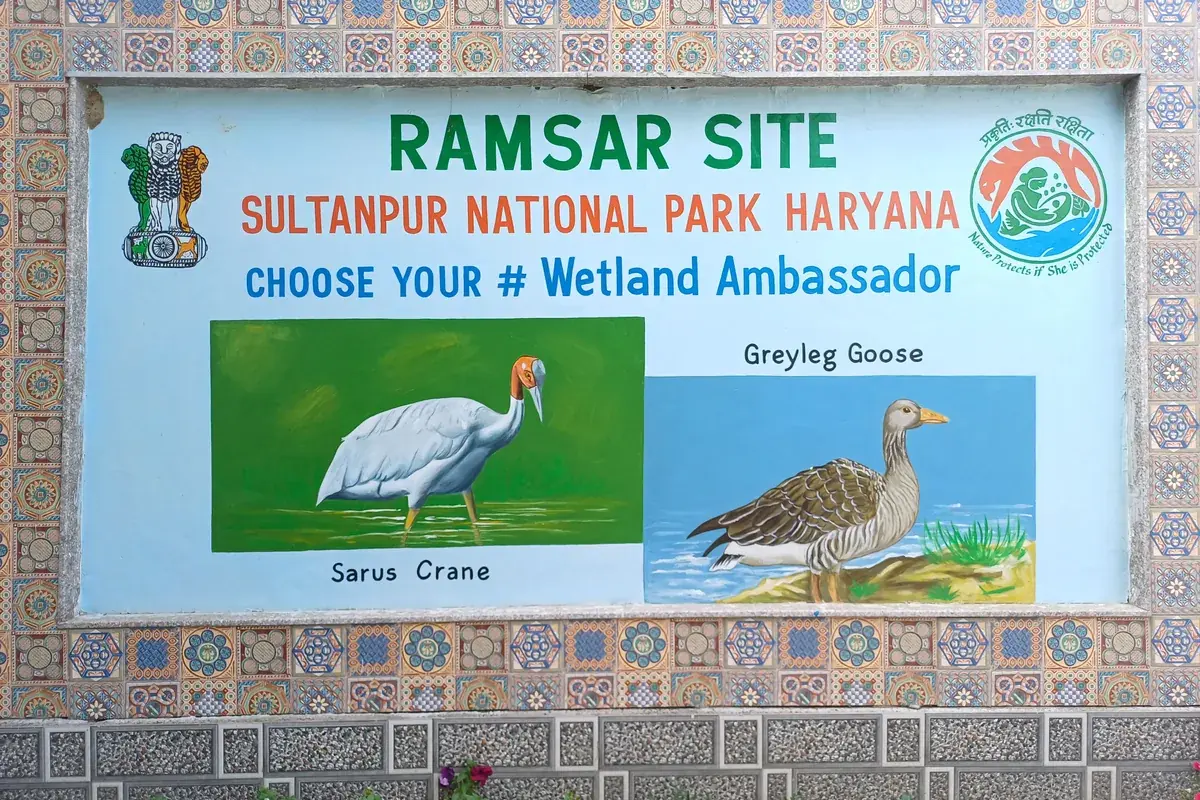
The site sits in Sultanpur village near Farrukhnagar, on the Gurugram–Farrukhnagar road. In May 2021 it was designated a Ramsar wetland, which recognises it as internationally important for the resident and migratory birds that depend on it. In practical terms, that recognition is why the park is managed for habitat first and visitors second: paths are kept narrow, the lake edge is left alone, and the annual closure protects the breeding and monsoon season.
For a visitor, the appeal is simple. Within an hour of Gurugram you can be standing at a water's edge watching painted storks work the shallows while a kingfisher calls from the reeds. Families get flat, walkable ground and short distances; photographers get soft morning light and clear sightlines from the observation points. For the history of how the sanctuary came to exist — a birdwatcher's letter that reached the Prime Minister's office — the interpretation centre on site covers it better than any summary can.
Six reasons this wetland keeps pulling people back — none of them depend on a guaranteed sighting.
The lake is small enough to scan in a few minutes and the paths run close to the water, so you do not need a long lens or years of practice to start identifying birds.
From late November, ducks, geese and waders arrive from Central Asia and Siberia. The composition of the flock changes through the season and with water levels.
This is a shallow jheel with reed margins, mounds and seasonally flooded grassland — a habitat you can read like a map once you know what to look for.
Early light falls across open water, and the watch towers give an elevated line of sight. Camera charges apply and equipment rules should be confirmed at the gate.
Flat ground, short walks and plenty to point at. A two-hour visit is usually enough for younger children before attention drifts.
Migration, wetland food chains and why a jheel matters are far easier to explain with a real lake in front of a child than from a textbook.
More than 250 species have been recorded in and around the park. The eight below are the ones visitors most often hope for — some live here year-round, others arrive for the winter.
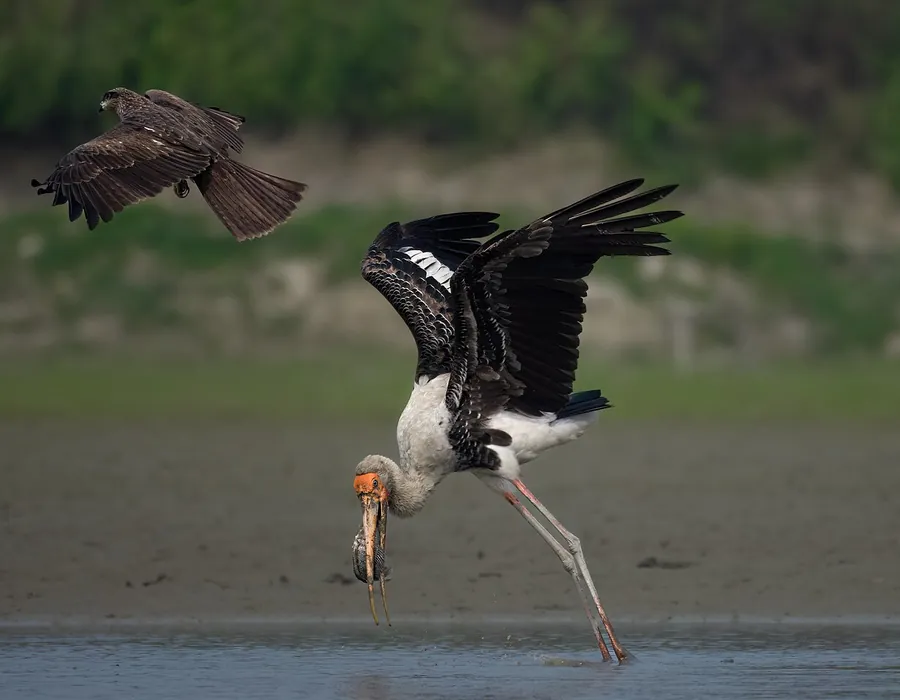
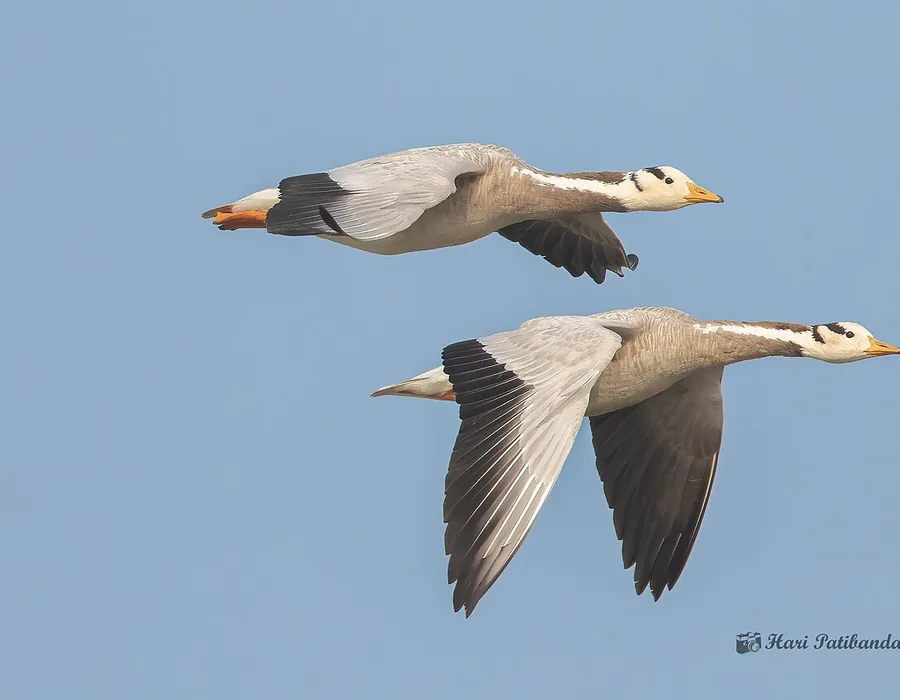
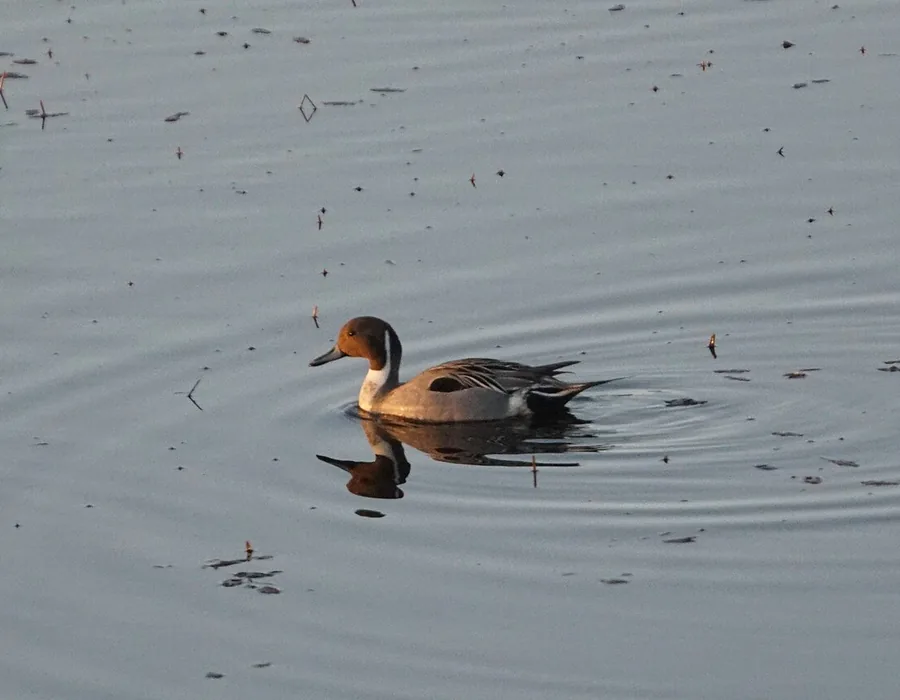
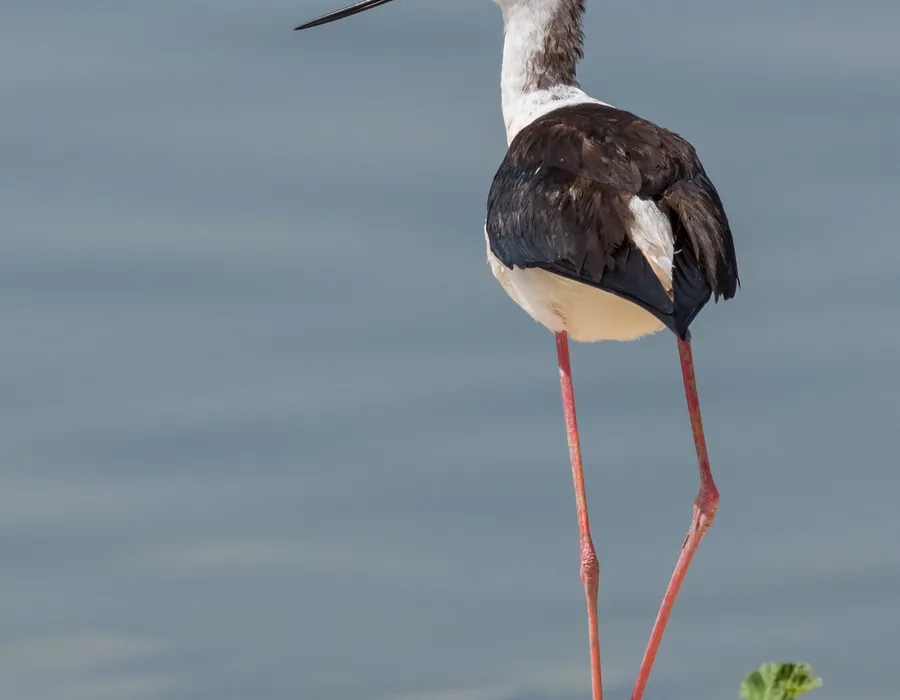
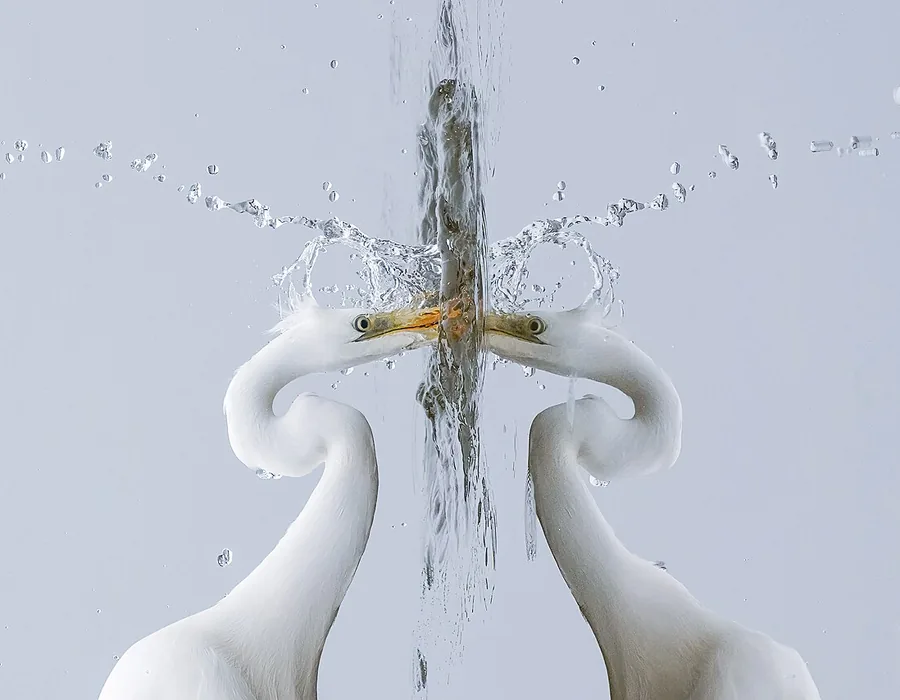
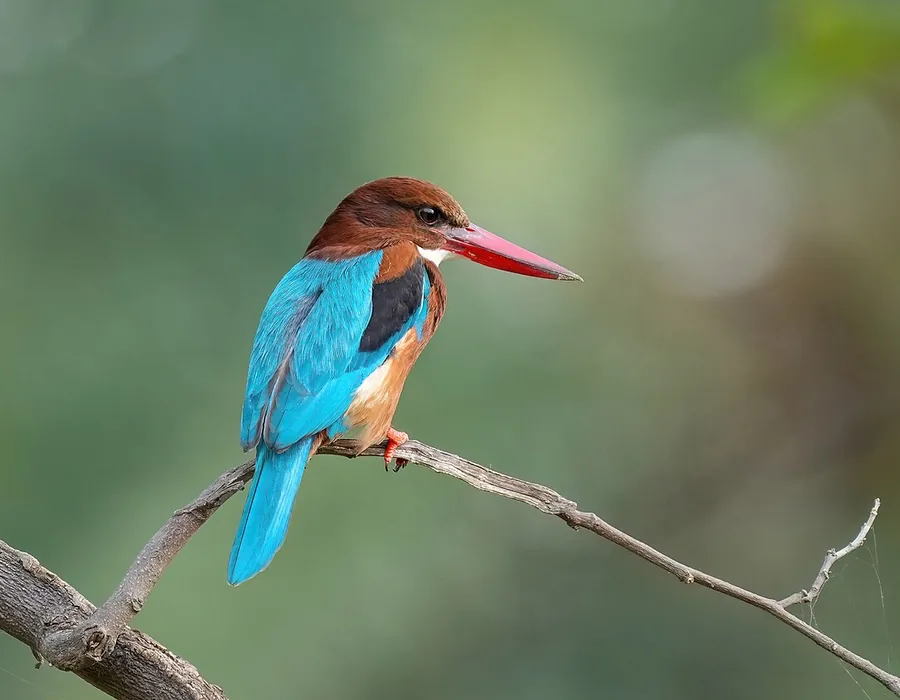
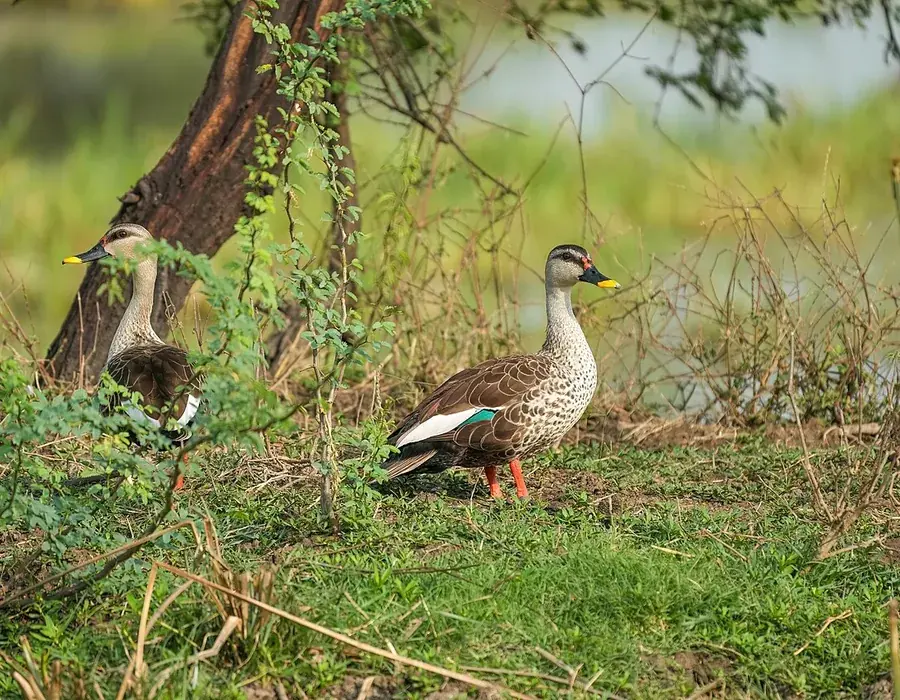
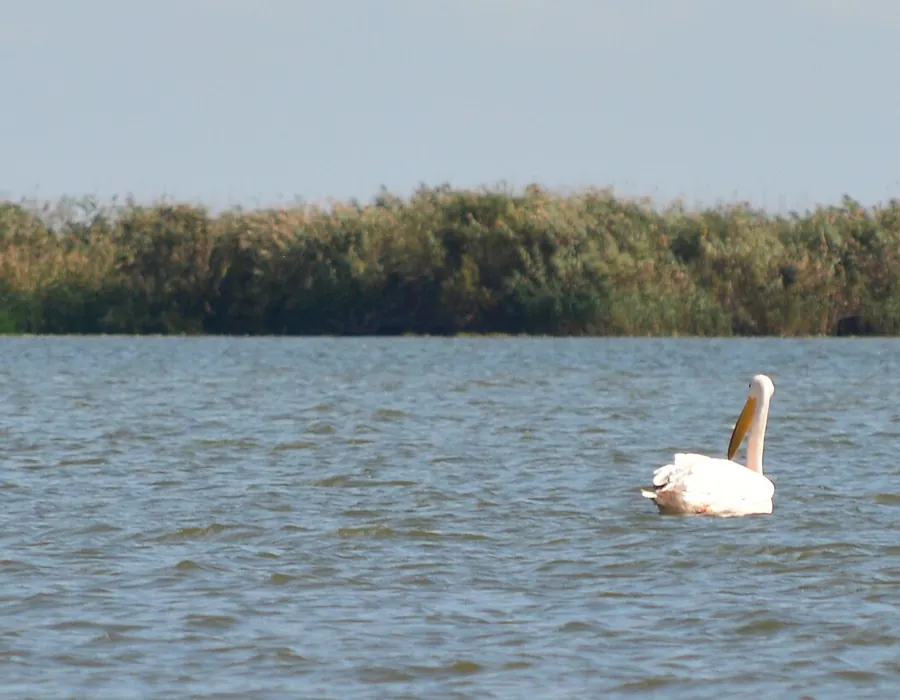
An honest note on sightings: which birds you see depends on the season, the water level, recent weather, disturbance along the paths and plain luck. Nothing here is a guarantee, and a quiet morning in March can be as rewarding as a crowded one in January. Species photographs on this page are representative images of the birds, licensed from Wikimedia Commons — they were not all taken at Sultanpur.
There is no ride, no boating and no safari here — and that is the point. A visit works best when you slow down and let the wetland come to you.
Walk slowly, stop often, and scan the water rather than the path. Most species are seen in the first hundred metres if you arrive early and keep noise low.
Reed margins, open water, mudflats and flooded grass each hold different species. Noticing which zone you are looking at is the fastest way to learn how the habitat works.
Natural light is best before about 9 am. Camera charges apply, and rules on tripods, large lenses and professional equipment should be confirmed at the ticket counter on the day.
Path sections are marked out for a reason; stepping off them compacts soil and pushes birds off the water. A slow circuit of the accessible trail takes roughly two hours.
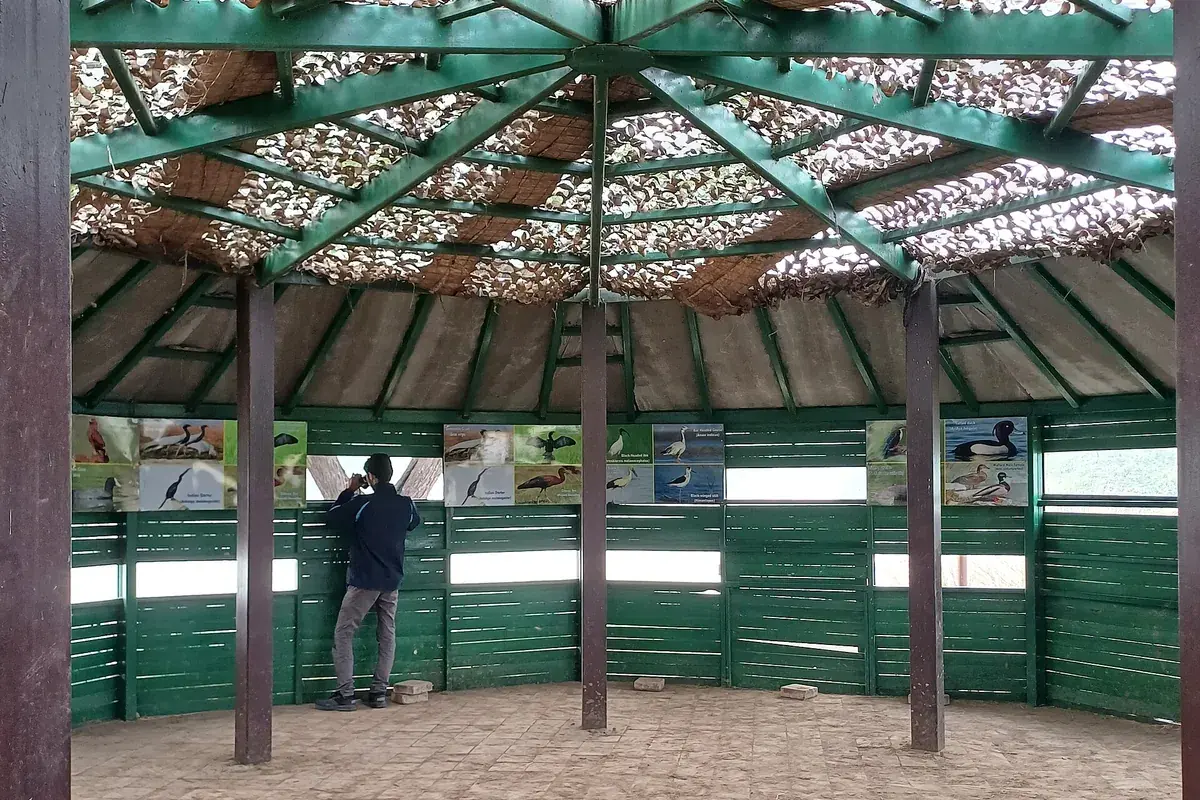
The park has watch towers (machans) and a hide. Which of them are open varies with maintenance and the season, so ask on arrival rather than planning around one specific tower.
The interpretation centre explains what arrives from where and when. It is a useful ten minutes before you start walking, especially with children.
No loud music, no feeding birds, no litter, and no picnicking inside the protected area. Eat before or after your visit, outside the sanctuary.
The park follows a clear annual rhythm. Knowing it is the difference between a lake full of ducks and a lake full of water.
This is when migratory waterbirds are present in the greatest numbers and variety. Mornings are cold and often misty, which softens the light and keeps birds close to the water. Come layered, expect fog-related delays on the drive, and give yourself two to three hours on site.
Sultanpur is normally closed to visitors from 1 June to 30 September every year, and reopens on 1 October. The closure protects the habitat during the breeding and monsoon period, so treat any monsoon visit plan as impossible until the department confirms reopening.
Water levels drop, winter visitors leave, and the park becomes a quieter place for resident species. Go at opening time, carry water, and plan a short visit rather than a long walk once the morning heats up.
Early morning is the best part of the day. Birds are most active around first light and visitor numbers are lowest, but the gates open at a fixed hour — usually 7:00 am — so being there at opening is more useful than arriving before it. Confirm the day's opening time before you set out.
Timings below are the pattern the park has followed for several seasons. Charges are set by the department and are revised from time to time, so we have marked what needs confirming rather than publishing a figure that may be out of date.
| Detail | Information | Status |
|---|---|---|
| Opening time | About 7:00 am | Confirm before visiting |
| Closing time | About 4:30 pm | Confirm before visiting |
| Weekly closure | Closed on Tuesdays | Confirm before visiting |
| Annual closure | Closed 1 June to 30 September; reopens 1 October | Verified |
| Adult entry fee | Entry charges are subject to revision. Contact us for assistance with the latest available visitor information. | Confirm before visiting |
| Child entry fee | Concessions, where applicable, are decided at the ticket counter | Confirm before visiting |
| Camera charges | A separate camera charge is levied; rates for phones, DSLRs and professional equipment can differ | Confirm before visiting |
| Parking charges | Parking is available at the entrance; the current charge is not published here | Confirm before visiting |
Why we are not quoting a ticket price: different sources currently list anything from a nominal per-person ticket to around ₹50, with camera charges in a similarly wide range. Rather than publish a number that may be wrong on the day, we would rather you hear it from the counter or from us before you drive out. Official charges and operating conditions can change without notice.
A family visit works when it is planned as a short, calm morning rather than a full day of entertainment. The ground is flat, the distances are short, and there is always something moving on the water to hold a child's attention — but only for so long.
Start by giving each child one bird to find. A painted stork, a kingfisher, a duck with a red bill spot: a single target turns a walk into a search. Binoculars help, and sharing one pair between two people is usually better than none at all. Where binoculars are permitted, check the current rule at the gate.
Carry drinking water, a hat and sun protection even in winter, and wear closed shoes — the paths can be damp near the water. Keep children close at the lake edge; the bank is soft and the water is closer than it looks. A two-hour visit is realistic for younger children, three for older ones.
Because food is not permitted inside the protected area, most families eat on the way back. Manesar Resorts can arrange a meal or refreshment stop outside the sanctuary, subject to availability, and build the day around your family's timings rather than a fixed schedule.
See family outing packages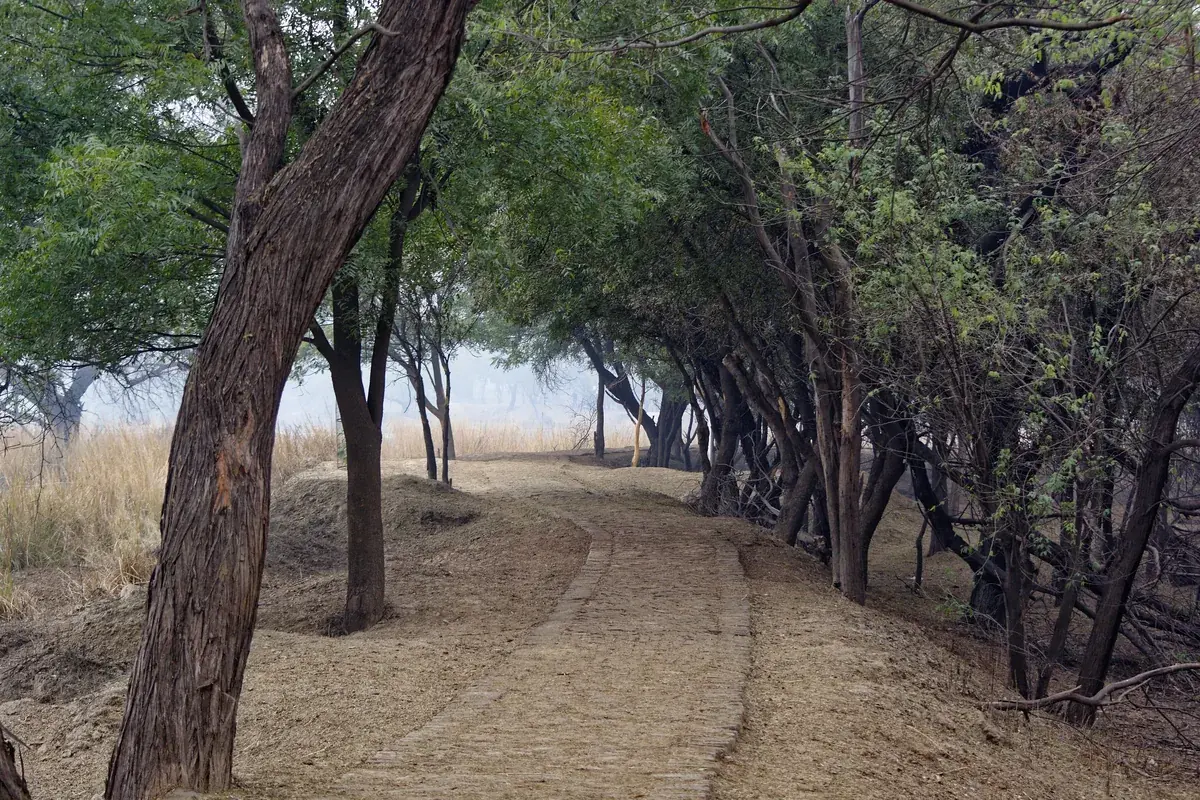
Four starting points, all built around the same idea: you decide the date and the company, we handle the planning around it. Every package is quoted after we know your group size and what you want included.
Price on request Customized quote after we know your date and requirements
Call +91-8527480066Customized quote Depends on group size, transport and meals requested
Call +91-8527480066Customized quote Quoted per group, not per person, once numbers are known
Call +91-8527480066Price on request Equipment, season and timing affect the plan
Call +91-8527480066What a package is and is not. Manesar Resorts provides trip planning and package assistance. We do not own, operate or manage Sultanpur National Park, we have no official affiliation with the sanctuary or the Forest Department, and we cannot arrange entry tickets, permissions or special access. Sanctuary entry charges, camera charges, parking and visiting conditions are set and collected by the park authorities. Meals, transport and guiding, where arranged, are outside the protected area and quoted separately. Prices are shown as a customized quote because the final cost depends on group size, transportation, meals and the services you ask for.
Six steps, in the order that actually matters. The first two are yours; the rest is where we can help.
Avoid Tuesdays, avoid 1 June to 30 September, and favour a weekday morning in winter if you want quiet paths.
A couple, a family with children and a group of twenty need very different schedules, transport and meal plans.
Tell us the date, the number of guests and what you want included. We will suggest a realistic schedule for the season.
Transport, a meal stop outside the sanctuary, and any special requirements for children or older guests are settled here.
Before departure, check the day's opening hours, camera rules and current entry charges with the park or with us.
Stay on the paths, keep noise down, carry your litter out, and leave the wetland exactly as you found it.
One clarification: Manesar Resorts provides trip planning and package assistance only. We do not issue sanctuary entry authorisation, tickets or permits, and we cannot guarantee access on a given day.
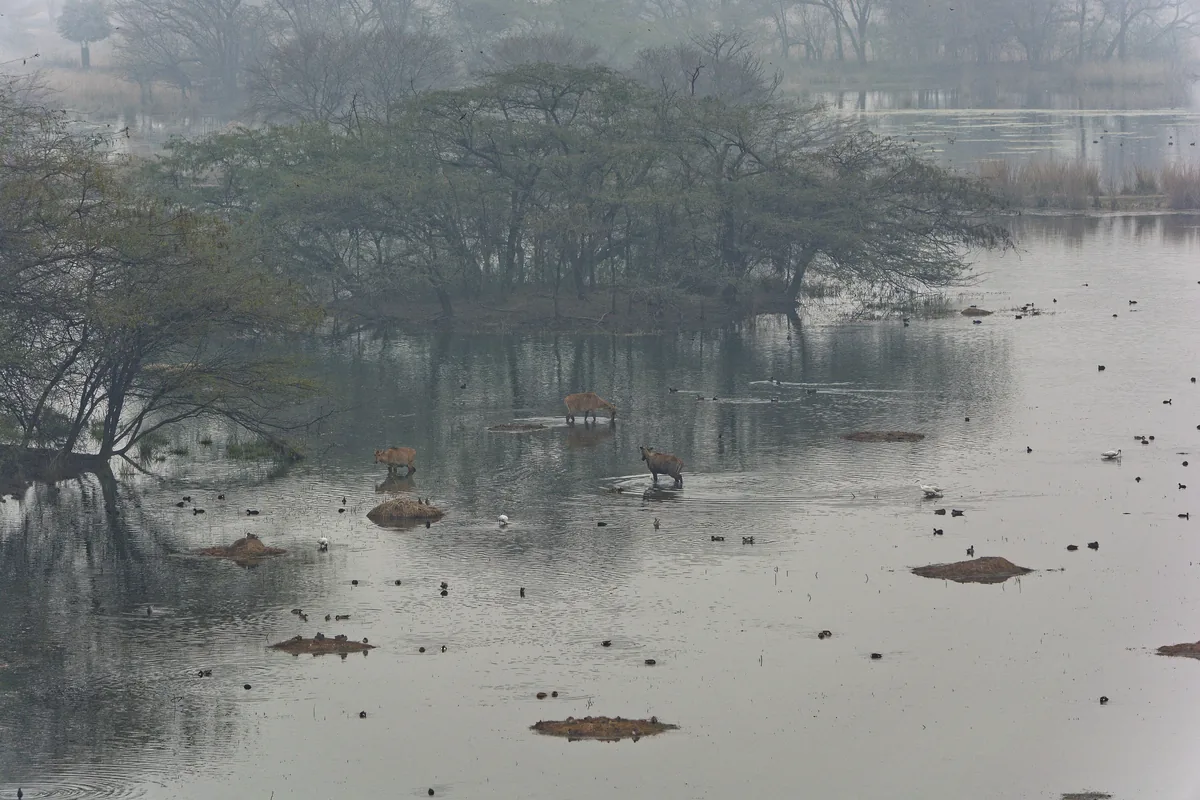
The park sits south-west of Gurugram city, on the road towards Farrukhnagar — an easy drive from Manesar.
The usual approach from Manesar is to come off NH-48 towards Gurugram and then take the Farrukhnagar road south-west; the Naurangpur route is the quickest on most days. Traffic on the highway section is the least predictable part of the journey, so an early departure buys you both a calmer drive and better light.
Practical planning notes: carry cash for entry and camera charges in case card payment is unavailable, fill fuel before you leave the highway, and keep the return leg flexible — a two-hour visit plus a meal stop makes a comfortable half-day rather than a rushed one.
Distance and drive time checked against a live map service in October 2026. Traffic conditions vary; treat these as planning figures, not timetables.
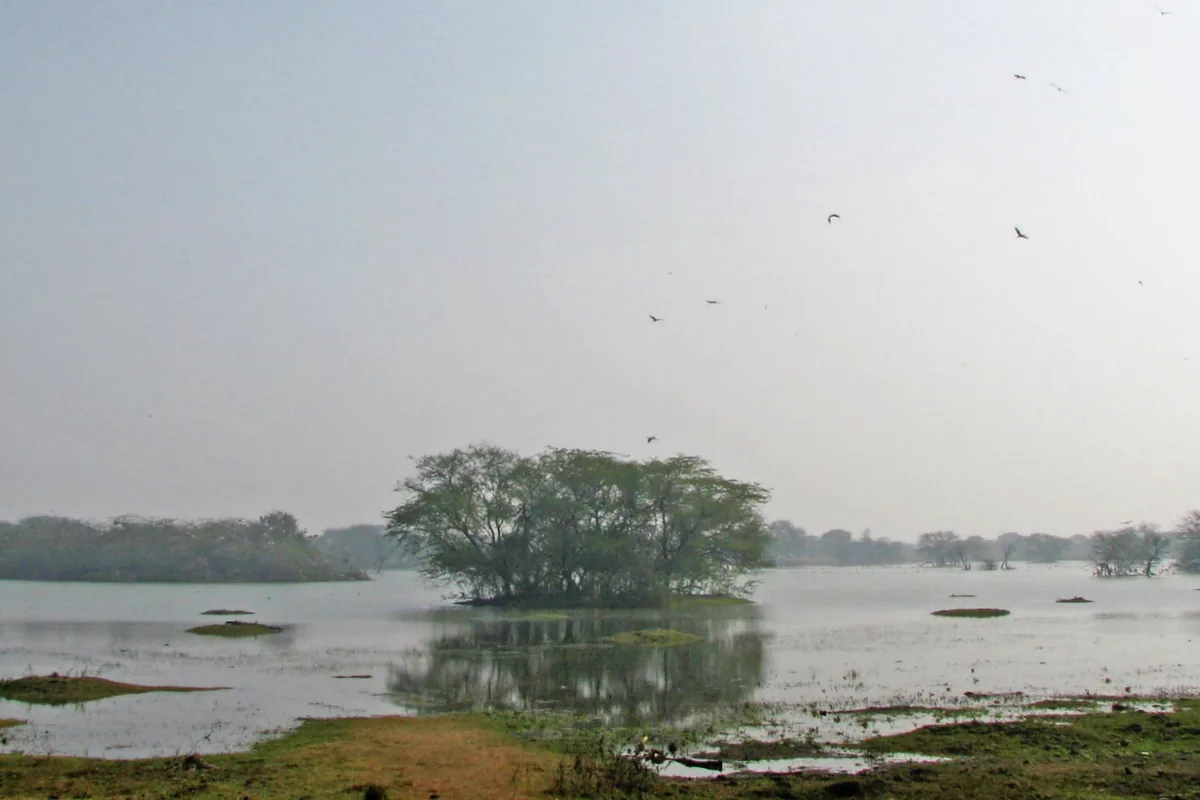
Small habits make a large difference to what you see — and to the wetland you leave behind.
A bird sanctuary is easy to visit badly: too late in the day, too rushed, with lunch planned inside a place that does not allow it. Most of the value we add is in the sequencing — and in taking the logistics off your hands so the morning stays about the birds.
Couple, family, school group or office team — the plan is built for your group, not pulled off a shelf.
Schedules that account for children, older guests, rest stops and realistic walking distances.
Shared cabs, tempo travellers or larger vehicles arranged to suit your group size and pick-up points.
Since eating inside the protected area is not permitted, we plan a meal stop before or after your visit, subject to availability.
If fog delays the drive or the park opens late, the plan adjusts rather than collapsing.
One point of contact from your first call to the day of the visit, with the current timings and conditions confirmed with you beforehand.
To be clear about what we are: Manesar Resorts is an independent trip-planning and hospitality assistance service based in Manesar. We are not the operator of Sultanpur National Park, we hold no official authorisation from the sanctuary or the Haryana Forest Department, and we do not sell sanctuary tickets. Any claim you see elsewhere that a resort can guarantee entry or a particular sighting should be treated with caution.
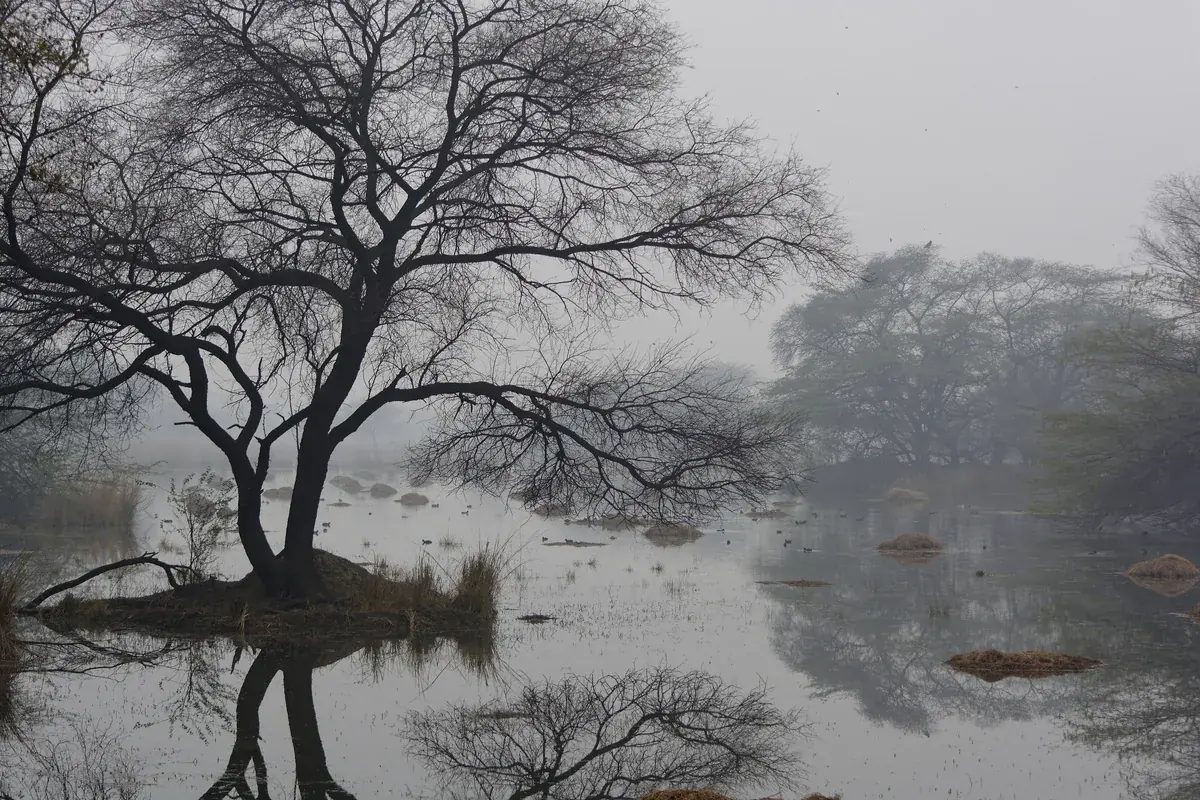
If you are building a full day or a weekend around the sanctuary, these are the pages worth opening next.
Short, direct answers. Where something changes often, we say so rather than guess.
For its shallow freshwater lake and the waterbirds that use it, for the winter arrival of migratory species from Central Asia and Siberia, and for being the closest serious birding wetland to Gurugram and Delhi. It was protected as a bird sanctuary in 1972, became a national park in 1991, and was designated a Ramsar wetland on 25 May 2021.
In Sultanpur village near Farrukhnagar, in Gurugram district of Haryana, on the Gurugram–Farrukhnagar road. It is about 15 km from Gurugram city and roughly 20 km from Manesar, which is a 40 to 45 minute drive in normal traffic.
Late November to February, in the morning. That is when migratory waterbirds are most numerous and the light is kindest. Remember the annual closure from 1 June to 30 September, and that the park is generally closed on Tuesdays.
Over 250 species have been recorded. Resident birds include painted stork, white-throated kingfisher, Indian spot-billed duck, egrets, Indian roller and red-wattled lapwing. Winter visitors include northern pintail, northern shoveler, black-winged stilt, bar-headed goose and great white pelican. Which of them you actually see depends on season, water levels and disturbance.
For families who enjoy quiet outdoor time, yes. The ground is flat, the accessible trail is short and children can spot birds without much walking. It is not an amusement park — there are no rides, and younger children usually last about two hours.
Bird watching from the trails, reading the different wetland zones, nature photography within the rules, walking the permitted paths, using the observation points that are open, and learning about migration at the interpretation centre. Loud music, feeding birds and leaving the paths are not permitted.
Entry charges are subject to revision. Contact us for assistance with the latest available visitor information. Published figures differ widely between sources, camera charges are levied separately, and we would rather you confirm the current amount than budget from an outdated number.
Generally about 7:00 am to 4:30 pm, closed on Tuesdays, with the park shut from 1 June to 30 September and reopening on 1 October. Timings require confirmation before travel, particularly around holidays and the reopening week.
Two to three hours covers the main trail and one or two observation points at a comfortable pace. Keen birders often stay three to four hours. Add about 40 to 45 minutes of driving each way from Manesar.
Photography is generally allowed with a camera charge, and phone photography is routine. Rules for tripods, very large lenses and professional shoots can change, so confirm at the ticket counter on the day. Do not assume flash or drones are permitted.
Yes. At around 20 km, it fits neatly into a half-day or a full day from Manesar: an early start, two to three hours at the wetland, and a meal outside the protected area on the way back. Weekdays in winter are the calmest choice.
We plan the day around your group: suggested schedules, travel coordination if you want it, meal arrangements outside the sanctuary, and customized packages for couples, families, groups and photographers. We cannot arrange sanctuary tickets or permissions — those remain with the park authorities.
Whether you are planning a peaceful family outing, a bird-watching experience or a group day trip, Manesar Resorts can help you organize a customized plan based on your requirements.
Visitor information on this page was last reviewed in October 2026. Timings, charges and access conditions are set by the sanctuary authorities and should be confirmed before you travel.