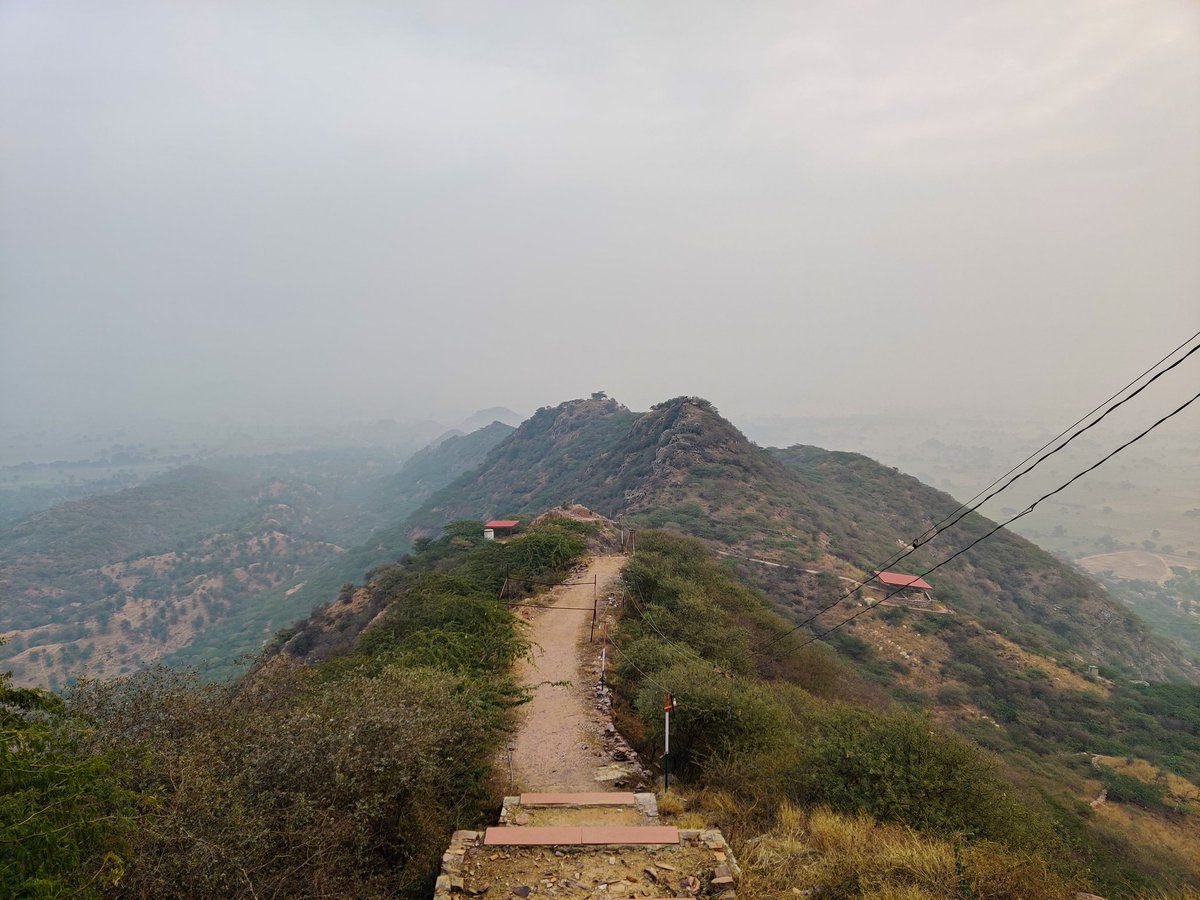
Rewari is a historic city in south-west Haryana, known across India for one extraordinary address: a railway shed where century-old steam locomotives are still kept in running condition. Add old bazaars famous for brassware, quiet temples and the memory of a 1857 hero, and you have an easy, rewarding day trip. This guide covers the best places to visit in Rewari, what to do there, and how to plan the trip.
🚂 Steam locomotive heritage📍 About 40 km from Manesar🏺 The brass city of Haryana🛕 Old-town bazaars & temples
🗓️ Information last reviewed: September 2026
What are the best places to visit in Rewari?
The best places to visit in Rewari are the Rewari Railway Heritage Museum (India's last surviving steam locomotive shed), the old town bazaars famous for brass and copperware, the Ghanteshwar Mandir, and the Bhagwat Bhakti Ashram in Rampura — the neighbourhood where the 1857 rebellion leader Rao Tula Ram was born. Most visitors cover Rewari in a single day, usually by train from Delhi or Gurugram.
Where is Rewari and why visit?
Rewari is a city in the Rewari district of Haryana, at the south-western edge of the National Capital Region. It sits on the rail and road routes that connect Delhi and Gurugram with Rajasthan, which historically made it a busy trading town — and it shows. The old lanes still hold traditional bazaars, artisan workshops and havelis, and the city is often called Pital ki Nagri (the Brass City) for its centuries-old brass and copper utensil craft.
What draws most visitors, though, is the railway. Rewari's locomotive shed is the last surviving steam loco shed in India, and it houses the Fairy Queen — a locomotive built in 1855 and often described as the world's oldest still-working steam engine. For families, history buffs and anyone who enjoys unhurried, local travel, Rewari tourism is less about big-ticket sights and more about an authentic Haryanvi town that has kept its character.
Rewari also fits neatly into a short trip. It is roughly 40 km from Manesar and under an hour further from Gurugram by road, so you can pair it with a resort stay around Manesar or a wider drive through southern Haryana without rushing.
Best Places to Visit in Rewari
Everything worth seeing in Rewari is close to the town centre, and most spots sit within walking distance of the railway station. Here are the places to see in Rewari that are genuinely worth your time.
Heritage steam locomotives inside the Rewari shed — still kept in working condition.
1 Rewari Railway Heritage Museum (Steam Locomotive Shed)
The single biggest reason people visit Rewari. A short walk from Rewari Junction railway station, this working shed is the only surviving steam locomotive shed in India. Inside stand several restored steam engines, including the famous Fairy Queen of 1855, which holds a Guinness World Record as the oldest operational steam locomotive in the world. Some of the engines here are maintained in running condition, which is what makes the shed special compared with a static museum.
You can walk around the locomotives, see the old workshop tools and machinery, and — if you are lucky — catch an engine being prepped. Train buffs can easily spend a couple of hours here; children tend to love it too.
Best for: familiesRail & history enthusiastsFirst-time visitors
Practical tip: the museum sits about 400 m north of the Rewari Junction station entrance. Visiting days, timings and entry charges can change — confirm with Indian Railways or locally before you travel.
Rewari's old bazaars have traded in brass and copperware for generations.
2 The Old Town Bazaars — Rewari's Brass Country
Rewari earned the nickname Pital ki Nagri — the Brass City — through a metalworking tradition that goes back centuries. Artisan families of the thathera community have shaped brass and copper utensils here for generations, and the old market lanes around the town centre are still the best place to see it. Walk through and you will find workshops beating out pots, pans and ceremonial ware alongside shops selling finished pieces.
Even if you do not plan to buy, the bazaar is the most atmospheric part of Rewari sightseeing — narrow lanes, old shopfronts, snack stalls and a pace of life that bigger NCR cities lost long ago. Brass items make sturdy, genuinely local souvenirs.
Best for: shoppersCulture & photographySlow travellers
3 Ghanteshwar Mandir
The Ghanteshwar Mandir is one of Rewari's best-known temples and appears on Haryana Tourism's list of places of interest in the city. It is an active place of worship rather than a curated monument, so visit the way locals do — quietly, and ideally in the morning or evening when the temple is at its liveliest.
Temple visits pair naturally with a walk through the surrounding old lanes, where you will get a closer look at the town's traditional architecture.
Best for: devoteesHeritage walkers
As with any religious site, dress modestly and follow local customs; footwear is typically left outside.
4 Bhagwat Bhakti Ashram, Rampura
In the Rampura area of the city stands the Bhagwat Bhakti Ashram, a spiritual and social institution founded in the early 20th century. The ashram is known locally for its work around education, charity and religious life, and it draws devotees and visitors from across the region, especially during festivals and religious gatherings.
It is a calm, low-key stop — a good place to understand the living religious culture of Rewari rather than just its monuments. Check locally before visiting if you want to time your trip with a festival or satsang.
Best for: spiritual travellersPeaceful visits
5 Rampura and the Rao Tula Ram Legacy
Rewari holds an honoured place in the story of 1857. Rao Tula Ram, born in Rampura here in 1825, was the ruler of the Rewari principality and one of the prominent leaders of the Indian rebellion of 1857 in this region. After the uprising was suppressed, he left India and died in exile, but his legacy remains central to how Rewari sees itself — the city's main stadium, institutions and roads carry his name.
There is no single ticketed "Rao Tula Ram monument" as such, so treat this as a heritage thread rather than a checklist stop: walk Rampura, and the 1857 history becomes part of the visit.
Best for: history buffsHeritage walks
Rewari at a glance
Place
Type
Roughly
Suited to
Rewari Railway Heritage Museum
Steam loco shed & museum
~400 m from Rewari Junction
Families, rail fans
Old town bazaars
Market / craft heritage
Town centre
Shoppers, photographers
Ghanteshwar Mandir
Temple
Town centre
Devotees, heritage walks
Bhagwat Bhakti Ashram
Spiritual institution
Rampura area
Spiritual travellers
Rampura (Rao Tula Ram)
Heritage neighbourhood
Rampura area
History buffs
Things to Do in Rewari
Rewari attractions are compact, so a single day can hold plenty. Alongside the places above, these are the things to do in Rewari that visitors actually enjoy:
Get close to working steam history. Spend unhurried time at the Railway Heritage Museum — it is one of the very few places in India where you can stand beside steam locomotives that are still maintained in running order.
Hunt for brassware. Browse the old bazaars for brass and copper pots, idols and decorative pieces. It is Rewari's signature craft and prices are more local-market than tourist-market.
Do a street-food crawl. The market lanes around the old town are good for Haryanvi snacks, sweets and chai. Ask locally what is fresh that day — the food here is simple and shop-led rather than restaurant-led.
Visit the temples in the morning. The Ghanteshwar Mandir and neighbourhood shrines are at their most atmospheric early in the day.
Walk the old lanes. Rewari's old town rewards slow walking — havelis, workshops and an unhurried rhythm you rarely find this close to Delhi NCR.
There are no big-ticket amusement or adventure attractions in Rewari itself — if that is what your group wants, the resort and leisure belt around Manesar and Gurgaon, covered on the picnic spots around Manesar page, is a better fit and can be combined with a Rewari day trip.
Historical and Cultural Attractions in Rewari
Rewari's history runs on three threads. The first is the 1857 rebellion: Rao Tula Ram of Rewari was among the leaders who rose against British rule in this part of Haryana, and the town's pride in him is still visible across the city. The second is craft and trade: Rewari's brass and copper workshops made it a recognised metalworking centre centuries ago, and the bazaars preserve that identity today. The third is the railway: Rewari Junction grew into an important junction on the routes linking Delhi with Rajasthan, which is precisely why India's last surviving steam loco shed ended up here.
Culturally, Rewari sits at the centre of the Ahirwal belt of southern Haryana, and many local families have a long tradition of service in the Indian Army — something you will hear about often in conversation. The city's culture is plain-spoken and local: temple life, market trade, festivals and food rather than curated tourist experiences. That is exactly its appeal for travellers tired of over-packaged destinations.
Best Time to Visit Rewari
October to March is the most comfortable window. The weather stays pleasant for walking the old lanes and for the open-air museum, and the winter months suit a full day of sightseeing.
April to June is the Haryana summer — hot and dry, with afternoons best avoided for outdoor walking. If you must travel then, go early morning, carry water and plan indoor time around midday. July to September brings the monsoon: humidity, occasional heavy spells, and a greener-than-usual countryside on the drive in.
Public holidays and festival weekends draw bigger local crowds to the museum and temples; arriving early in the day is the simplest fix.
How to Reach Rewari?
By train — the easiest option. Rewari Junction is a significant railway station with regular connections towards Delhi and Gurugram, and it sits on the rail routes running into Rajasthan. For most travellers from Delhi NCR, the train is faster and far less stressful than driving, and the Railway Heritage Museum is walkable from the station.
By road. Rewari is roughly 40 km from Manesar — an easy hour's drive — and sits along the improved highway network of southern Haryana; a recent Rewari bypass has further eased through-traffic. Buses and taxis run regularly from Gurugram and Delhi, and driving works well if you plan to combine Rewari with stops such as Dharuhera on the Delhi–Jaipur corridor.
By air. The nearest airport is Indira Gandhi International Airport, Delhi. From the airport, rail or road via Gurugram–Manesar is the practical onward route.
Explore Around Rewari
Places to Visit Near Rewari
The destinations below are not inside Rewari — they are separate towns and spots in the surrounding NCR and Haryana region that pair well with a Rewari trip by road.
🏙️
01
Gurgaon (Gurugram)
Haryana's biggest city lies on the route between Manesar and Rewari, with malls, restaurants and modern attractions — an easy urban add-on before or after your Rewari day.
About 40 km from Rewari, Manesar is the region's resort belt — the most comfortable base for a Rewari day trip, with stays from luxury retreats to budget farmhouses.
A small historic town in Gurugram district known for its old fort, gateway and bazaar — an easy heritage stop between Gurugram and the Rewari side of the region.
Two other neighbours are worth knowing about even though they don't yet have their own guide pages here: Dharuhera, a growing industrial town on the Delhi–Jaipur corridor between Gurugram and Rewari that makes a natural road-trip stop, and Bahadurgarh in Jhajjar district, on the Delhi-facing side of the region. Birdwatchers heading back towards Gurugram can also detour to Sultanpur National Park or Jhajjar.
Rewari Travel Tips
Take the train if you can. The museum is walkable from Rewari Junction, and the train skips NCR traffic entirely. Driving makes more sense only if you are combining Rewari with other stops.
Check timings before you go. Museum visiting days, hours and entry charges can change — confirm with Indian Railways or a local source shortly before your trip rather than trusting older listings.
Start early. Museums, temples and bazaars are all at their best in the morning, and you will beat both the crowds and the heat.
Carry water and sun protection. Much of the visit — the shed forecourt, the old lanes — is outdoors. In summer this matters a lot.
Wear comfortable shoes. The old town is explored on foot through narrow lanes; leave the car parked and walk.
Respect temple customs. Dress modestly, remove footwear where expected, and ask before photographing inside shrines.
Plan cash for the bazaar. Small craft and utensil shops in the old market may prefer cash over cards and apps.
Keep geography straight when planning. Dharuhera lies between Gurugram and Rewari, while Sohna, Gurgaon and Damdama Lake sit on the Gurugram side — group them sensibly rather than zig-zagging.
Frequently Asked Questions
The Rewari Railway Heritage Museum (India's only surviving steam locomotive shed) is the top attraction, followed by the old town's brass bazaars, the Ghanteshwar Mandir, the Bhagwat Bhakti Ashram in Rampura, and the Rampura lanes associated with Rao Tula Ram, the 1857 rebel leader born in Rewari.
Yes. Rewari works well as a one-day trip from Delhi NCR, especially by train. The railway museum, the old bazaars and the main temples can be covered comfortably in a day, and the town is compact enough to explore without a fixed itinerary.
Rewari is best known for its railway heritage — the Rewari Steam Locomotive Shed houses the Fairy Queen, built in 1855 and often described as the world's oldest working steam locomotive. The city is also known for its centuries-old brass and copper utensil craft, which earned it the nickname "Pital ki Nagri" (Brass City).
The key historical attractions are the Rewari Railway Heritage Museum and its steam loco shed, the old town's traditional bazaars, the Ghanteshwar Mandir, and Rampura — the neighbourhood where the 1857 rebellion leader Rao Tula Ram was born in 1825.
By rail: Rewari Junction has regular trains from Delhi and Gurugram and sits on the routes running into Rajasthan, and the railway museum is walkable from the station. By road: Rewari is about 40 km from Manesar and an easy drive from Gurugram, with buses and taxis available. The nearest airport is Indira Gandhi International Airport, Delhi.
Dharuhera, a growing industrial town on the Delhi–Jaipur corridor, is the closest significant neighbour. Beyond it, you can plan wider day trips to Gurgaon, Sohna, Damdama Lake, Farrukhnagar and Faridabad — all part of the wider NCR and Haryana travel circuit, not attractions inside Rewari itself.
October to March is the most comfortable window, with pleasant weather for walking the old town and visiting the open-air locomotive shed. Summers are hot and best avoided for long outdoor sightseeing, while the monsoon months bring humidity and occasional heavy rain.
Rewari has local hotels and guest houses, but many travellers prefer to base themselves around Manesar and Gurugram, where the resort options are much wider. Manesar is about 40 km from Rewari by road, so it works as a comfortable base for a Rewari day trip.